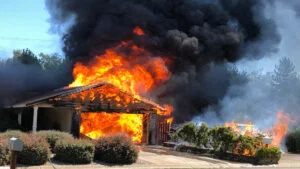
Protecting your most valuable asset – your home – also relies heavily on homeowners insurance. While traditional insurance typically covers structural damage and loss of personal property, you may also choose to explore additional coverage. These additional policies can provide further protection for specific requirements or hazards that are not fully covered by a standard policy. Understanding these options can help you decide what type of coverage you need.
1. Recognize the Need for Additional Coverage
Every homeowner’s situation is different and is affected by factors such as geography, lifestyle, and property value. Basic home insurance typically covers hazards such as fire, theft, and vandalism, but does it exclude other hazards? Additional coverage can help fill the security gap so that you are not left exposed if the unexpected happens. Understanding your potential exposures can help you tailor your coverage to your specific situation.
2. Drain Coverage
A problem that is sometimes overlooked is the danger caused by sewer blockages. Typically, standard homeowners insurance policies do not cover water damage caused by backup sewer systems. This can lead to extensive and expensive repairs. A smart addition to your insurance is sewer backup insurance, which can provide you with cash assistance if a sad event like this occurs. It prevents the sometimes high costs associated with cleaning, repairing, and replacing damaged items. This coverage can be very helpful if you have an older plumbing system or live in a rainy area.
3. Flood Insurance
Another risk that is often overlooked in traditional home insurance policies is flooding. Even if you live outside of a designated flood zone, severe storms can cause unexpected flooding. Flood insurance, usually offered by commercial companies or the National Flood Insurance Program (NFIP), protects your home and belongings from flood damage. Understanding your city’s flood risk and considering this coverage can help you avoid significant financial losses. Having a separate flood insurance policy can give you peace of mind, as most home insurance plans do not provide coverage for flooding.
4. Earthquake Protection
Earthquake insurance is especially important in areas with high seismic activity, such as the West Coast of the United States. Often, a standard home insurance policy does not cover damage caused by earthquakes. This insurance covers your home, personal belongings, and additional living expenses if your home becomes uninhabitable. Given the staggering cost of earthquake repairs, this coverage is a wise investment for anyone living in a high-risk area. Checking earthquake data in your area and considering the potential impacts of earthquakes can help you decide on coverage.
5. Expand Your Personal Property Insurance Coverage
A standard homeowners insurance policy may not be enough to cover valuables such as jewelry, art, or collectibles, even if it covers personal property up to a specific maximum limit. Extending your personal property insurance coverage can impose further restrictions, especially for these priceless possessions. If you have valuables, you should make sure that your current insurance limits are adequate. These extensions can help protect your valuables from loss or theft, so you can enjoy your investment without worry.
6. Home Business Coverage
Home business insurance is becoming increasingly important as more people are running a business from home. Standard homeowners insurance may not cover liability related to business operations, tools, or inventory carried out on the property. Home business insurance protects your business assets and provides liability protection in the event of an accident on your property. Discussing this policy with your insurance company can help ensure that your home business has the protection it needs for your professional activities.
7. Prevent Identity Theft
In a digital society, identity theft is a growing concern for me. While most regular homeowners insurance policies do not cover identity theft, some companies now offer additional identity theft protection as an option. Legal fees and back wages are among the costs of rebuilding your identity, and this coverage can help. With cybercrime on the rise, this added protection can be a great benefit, ensuring that you have help if your sensitive information is compromised.
8. Additional Cost of Living Protection
A standard home insurance policy typically offers some level of additional living expense (ALE) coverage if a covered risk makes your home uninhabitable. However, these limits may not always be enough to cover your long-term living expenses. Adding additional living expense coverage ensures larger limits so that you can maintain your standard of living while your home is being repaired. In difficult times, this insurance can help ease the financial burden by helping pay for food, temporary housing, and other necessary expenses.
9. Equipment Failure Coverage
From HVAC systems to refrigerators and home entertainment systems, modern homes rely heavily on a variety of appliances and systems. Typically, standard homeowners insurance does not cover the mechanical failure of these devices. Equipment failure coverage can help bridge this gap and protect you from unexpected and costly repairs or replacements to your home system. For homeowners with high-end appliances or advanced home technology systems, this type of coverage can be very helpful, so you don’t have to go into debt for necessary repairs.
Conclusion
A proactive way to achieve comprehensive protection is to invest in additional coverage for your homeowner’s insurance. Understanding the specific hazards associated with your home and lifestyle can help you tailor your coverage to address any weaknesses. These options offer significant levels of protection, from sewer and flood insurance to identity theft protection and equipment failure coverage. Knowing that your home and belongings are fully protected against a range of unexpected events can help you relax.
FAQs
1. What additional protection does home insurance provide?
Riders offer additional protection designed to enhance a basic home insurance policy by covering hazards not covered by the basic policy.
2. Do I need flood insurance if I don’t live in a flood zone?
Floods can strike without warning. However, flood insurance is an excellent defense against water damage.
3. Define sewer backup coverage.
Because coverage is often missing from traditional plans, sewer backup coverage protects against the hazards caused by sewer backup.
4. Should I apply for an extension on my homeowners insurance?
If you have valuables, you should evaluate whether the limits of your policy are sufficient and consider extending them if necessary.
5. Can I add identity theft protection to my homeowners insurance?
As an additional coverage, some insurance companies also offer identity theft protection, so this can help you if your personal information is compromised.